- Home
- Bentonite
Bentonite
About Bentonite
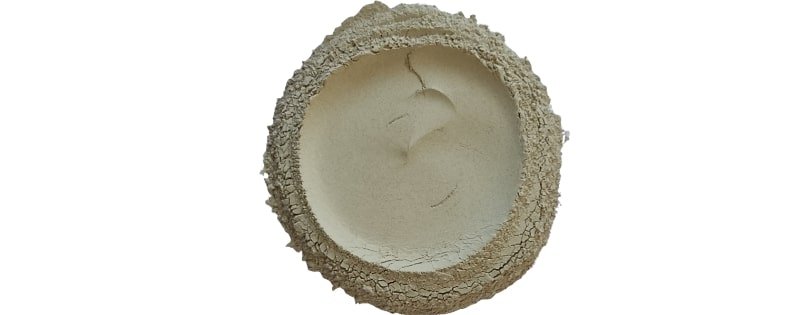
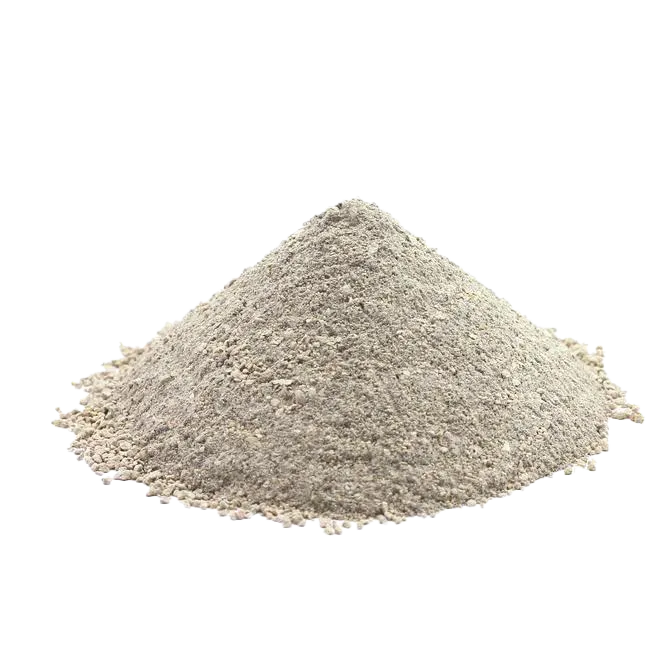
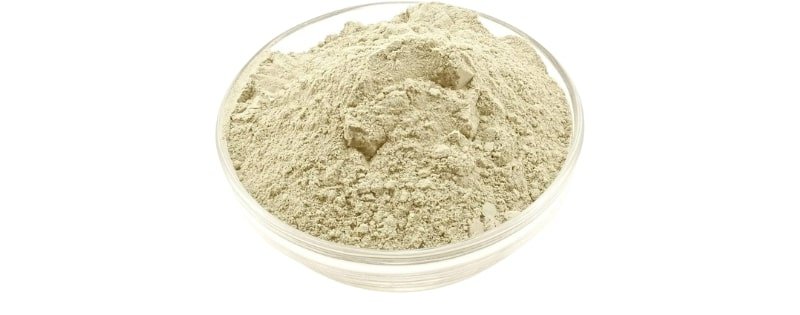
Bentonite is a versatile and naturally occurring clay mineral known for its unique swelling properties and high viscosity. It is typically composed of the mineral montmorillonite and is found in a range of colors, including white, gray, green, and brown. Bentonite has a layered structure and a high surface area, making it suitable for various industrial applications.
Applications:
Drilling Fluids: Bentonite is widely used in the oil and gas industry as a key component in drilling fluids. It provides viscosity, lubrication, and wellbore stability, making it essential for controlling drilling operations, preventing blowouts, and carrying cuttings to the surface.
Construction and Civil Engineering: Bentonite is utilized in construction for its ability to create impermeable barriers. It is used in foundations, retaining walls, and tunnel construction to prevent water infiltration and improve structural stability.
Cat Litter: Bentonite is a common material in cat litter products due to its clumping ability and odor control. It makes cleaning and maintaining cat litter boxes more convenient.
Environmental Remediation: Bentonite is employed in environmental remediation efforts to seal and cap landfills, contain hazardous waste, and manage contaminated sites. It helps prevent the migration of pollutants into the environment.
Foundry Sand Binder: In foundry applications, bentonite is used as a binder for molding and core sands. It ensures the formation of strong and precise molds for metal casting.
Agriculture: Bentonite is used in agriculture as a soil conditioner to improve soil structure, water retention, and nutrient availability. It helps enhance the growth of crops and increase yields.
Pharmaceuticals: Bentonite can be used as an excipient in pharmaceutical formulations, particularly in tablet production. It aids in tablet binding, disintegration, and the controlled release of drugs.
Cosmetics and Personal Care: Bentonite is found in a variety of cosmetic and personal care products, including facial masks, body scrubs, and lotions. Its absorbent and thickening properties make it valuable in skincare and beauty products.
Wine and Beverage Clarification: Bentonite is used in winemaking and beverage production to clarify liquids by removing impurities and particles. It helps improve the clarity and stability of the final product.
Water Treatment: In water treatment processes, bentonite can be added to remove impurities, such as heavy metals and organic contaminants. It acts as a coagulant and flocculant to aid in the purification of drinking water and wastewater.
Drilling and Tunneling: Bentonite is used in drilling and tunneling operations as a drilling fluid additive. It helps control fluid loss, stabilizes boreholes, and supports excavation processes.
Bentonite’s remarkable swelling capacity, high viscosity, and ability to absorb and retain water have led to its extensive use in diverse applications, ranging from oil and gas drilling to environmental remediation and cat litter. Its wide range of industrial uses highlights its importance in ensuring the effectiveness and success of various processes and products.

Bentonite API Grade
Bentonite API grade is a highly versatile and widely used industrial mineral, primarily known for its application in drilling fluids. Its unique properties make it an essential component in various industries, including oil and gas drilling, construction, agriculture, and environmental management.
What is Bentonite API Grade?
Bentonite is a type of clay that consists mainly of montmorillonite. API grade bentonite, specifically, meets the standards set by the American Petroleum Institute (API) for use in drilling fluids. These standards ensure that the bentonite provides optimal performance in terms of viscosity, gel strength, and fluid loss control in drilling operations.
Applications:
Oil and Gas Drilling:
- Drilling Fluids: Bentonite is a critical component of drilling muds, providing the necessary viscosity and gel strength to support the drilling process.
- Wellbore Stability: It helps maintain the structural integrity of the wellbore by preventing fluid loss and stabilizing the formation.
Construction:
- Grouting: Used in the preparation of grouts for sealing and stabilizing boreholes, shafts, and tunnels.
- Piling: In pile foundation construction, bentonite slurry is used to support the excavation by forming a thixotropic gel.
Environmental Management:
- Landfill Liners: Bentonite is used in the construction of landfill liners and caps to prevent leachate migration and protect groundwater.
- Sealing Ponds and Lagoons: It is used to line ponds and lagoons to prevent seepage and contamination of surrounding soils.
Agriculture:
- Soil Conditioning: Bentonite improves soil properties, enhancing water retention and providing a reservoir for plant nutrients.
Pharmaceuticals and Cosmetics:
- Binding Agent: Bentonite is used as a binding agent in pharmaceuticals and cosmetics for its absorbent and thickening properties.
Bentonite OCMA Grade
Bentonite OCMA (Oil Companies Materials Association) grade is a highly effective and versatile industrial mineral used predominantly in the oil and gas drilling industry. Known for its superior quality and performance, OCMA grade bentonite meets the rigorous standards set by the Oil Companies Materials Association, ensuring it is suitable for various drilling and environmental applications.
Applications:
Oil and Gas Drilling:
- Drilling Fluids: Used extensively in drilling mud formulations, providing the necessary viscosity and gel strength for efficient drilling operations.
- Wellbore Stability: Helps in maintaining the integrity of the wellbore by preventing excessive fluid loss and stabilizing the formation.
Environmental Management:
- Landfill Liners and Caps: Used in the construction of landfill liners to prevent leachate migration and protect groundwater.
- Sealing Ponds and Lagoons: Utilized to line ponds and lagoons, ensuring minimal seepage and protecting surrounding soils from contamination.
Construction:
- Grouting: Used in grouting applications for stabilizing boreholes, shafts, and tunnels.
- Piling: Employed in pile foundation construction to support excavation by forming a thixotropic gel that prevents collapse.
Civil Engineering:
- Diaphragm Walls: Used in the construction of diaphragm walls to support excavations and prevent groundwater intrusion.
- Cut-off Walls: Applied in the construction of cut-off walls to control the flow of groundwater and prevent contamination.
Agriculture:
- Soil Conditioning: Enhances soil properties by improving water retention and providing a reservoir for plant nutrients.