- Home
- Barite
Barite
About Barite
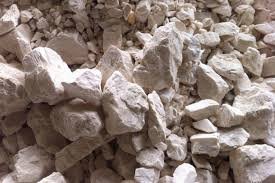
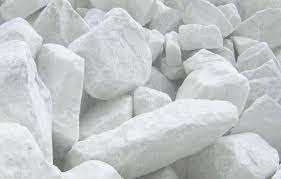
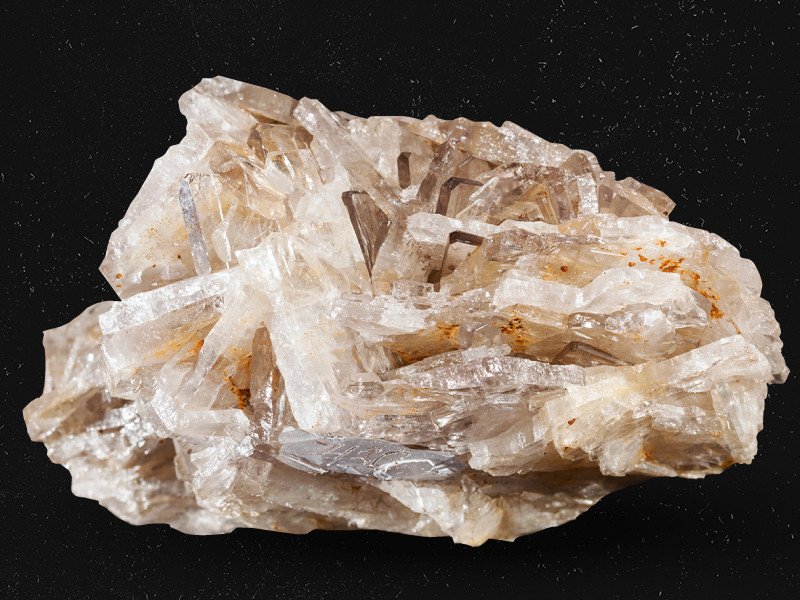
Barite, also known as baryte, is a mineral composed of barium sulfate (BaSO₄). It is typically white or colorless, but can also appear in shades of light blue, yellow, gray, or brown due to impurities. Barite is the primary source of barium, which is used in various industrial applications due to its high density, chemical inertness, and other unique properties.
Applications:
1. Oil and Gas Drilling:
- Drilling Mud: Barite is a critical component in drilling mud used in oil and gas drilling. Its high density helps to balance and control the pressure in the borehole, preventing blowouts and ensuring safe drilling operations.
2. Medical Industry:
- Radiology: Barite is used as a contrast agent in medical imaging procedures such as X-rays and CT scans. It is ingested or administered as a barium sulfate suspension, which helps to highlight the digestive tract.
3. Industrial Uses:
- Filler: Barite is used as a filler in paints, coatings, plastics, rubber, and adhesives to improve the weight, density, and consistency of the final product.
- Radiation Shielding: Due to its high density, barite is used in the construction of radiation shielding materials, protecting against X-rays and gamma rays in medical and industrial settings.
- Glass and Ceramics: Barite is used in the production of glass and ceramics to enhance the brilliance and clarity of glass products and improve the quality of ceramic products.
4. Agriculture:
- Soil Amendment: Barite can be used as a soil amendment in agriculture to provide necessary nutrients and improve soil health.
5. Environmental Applications:
- Water Treatment: Barite is used in water treatment processes to remove impurities and neutralize acidic conditions.